


ECD Centres Help Children Thrive in Huye District
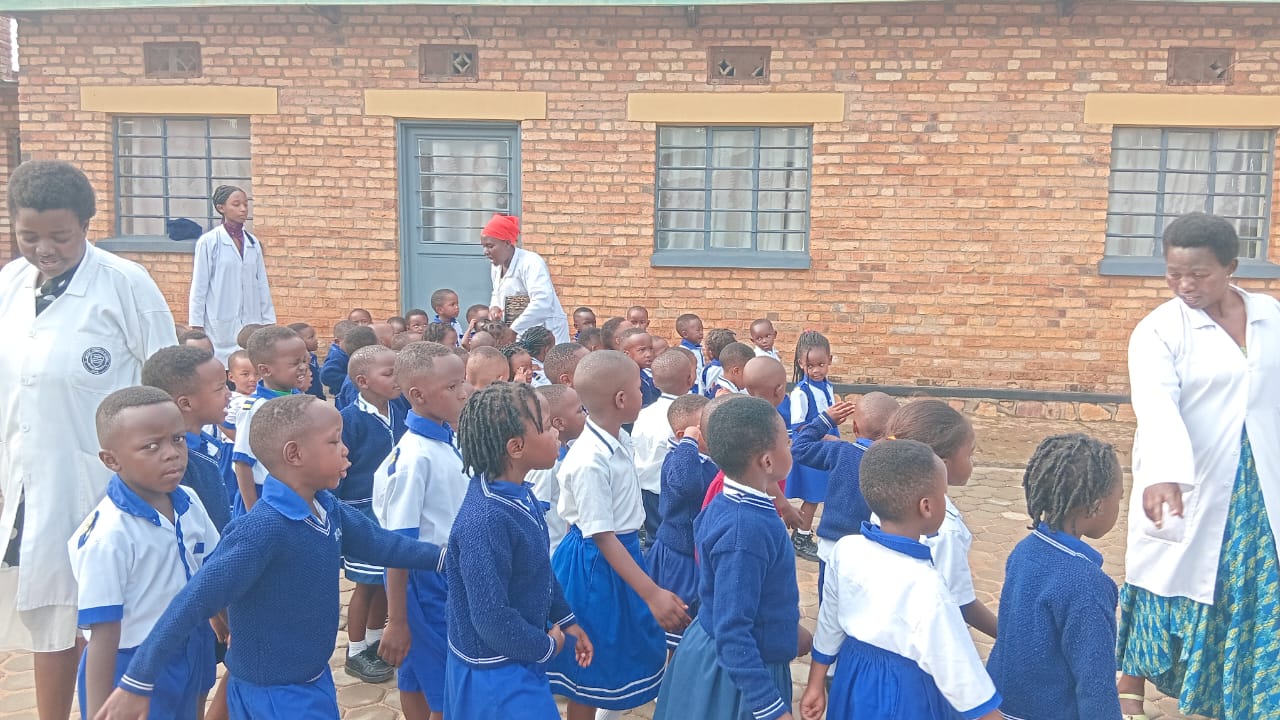
For many parents in Huye District, Early Childhood Development (ECD) centres are becoming more than just childcare facilities, they are places where young children build the foundation for lifelong learning, healthy growth, and social development. Experts say investing in a child’s first years is critical, as evidence continues to show that quality early childhood care can significantly shape a child's future success.
At AEBR Scholastic Academy Nursery School in Tumba Sector, caregivers provide a range of services designed to promote children's overall well-being. Beyond offering nutritious meals and maintaining hygiene, they teach discipline, communication skills, and social interaction through songs, games, and structured learning activities.
Parents whose children attend the nursery say they have witnessed significant improvements in their children's development. Many report that their children communicate more confidently, speak more clearly, and interact better with others after joining the centre.
Caregivers at the academy emphasize that ECD centres play a vital role in shaping children's early years. Through daily engagement, they help children develop language skills, understand and express emotions, build relationships, and learn peaceful ways of resolving conflicts.
“We are able to support a child’s development in every aspect, including speech and communication, because we spend time talking with them, guiding them, and helping them express their feelings,” said one caregiver at AEBR Scholastic Academy.
The school's Head Teacher, Yvonne Muterambabazi, said the institution's primary objective is to support children's holistic development while contributing to the fight against child stunting.
“Our centre provides learning materials and toys that stimulate children's brains and encourage creativity,” she said. “As children interact with these materials and with their peers, they become more organized and develop skills that prepare them for future learning.”
National Child Development Agency (NCDA) Director General Assumpta Ingabire highlighted the importance of parental involvement during a child's formative years. She called on both parents to actively participate in nurturing children from conception through the age of six.
According to Ingabire, scientific research shows that proper care during early childhood has a lasting impact on brain development.
“Studies indicate that a child's brain develops up to 90 percent before the age of five,” she said. “When parents provide proper care during the first six years of life, they contribute significantly to the child's future success, benefiting not only the family but also the country as a whole.”
Ingabire also urged parents to create positive home environments, warning that exposure to conflict can negatively affect children's emotional and psychological development.
“We encourage parents not to fight or insult each other in front of children,” she said. “Such behavior does not teach them anything positive. Instead, it harms their emotional well-being and can leave lasting scars.”
Rwanda launched its Early Childhood Development programme in 2014 to improve the health, nutrition, and overall development of children under six years old. The initiative aims to prevent stunting and ensure children are well-prepared for lifelong learning and responsible citizenship.
Today, ECD centres operate in various settings across the country, including homes, churches, workplaces, schools, and villages, bringing essential services closer to communities and helping more children access quality early childhood care.
As awareness of the importance of early childhood development continues to grow, education and child development experts say ECD centres remain key to building a healthier, more skilled, and more productive future generation.
Nafissa UMUZIRANENGE










Comments (0)
No comments yet. Be the first to comment!
Leave a Comment