


Low Irrigation Uptake Among Smallholder Farmers Limits Rwanda’s Agricultural Output
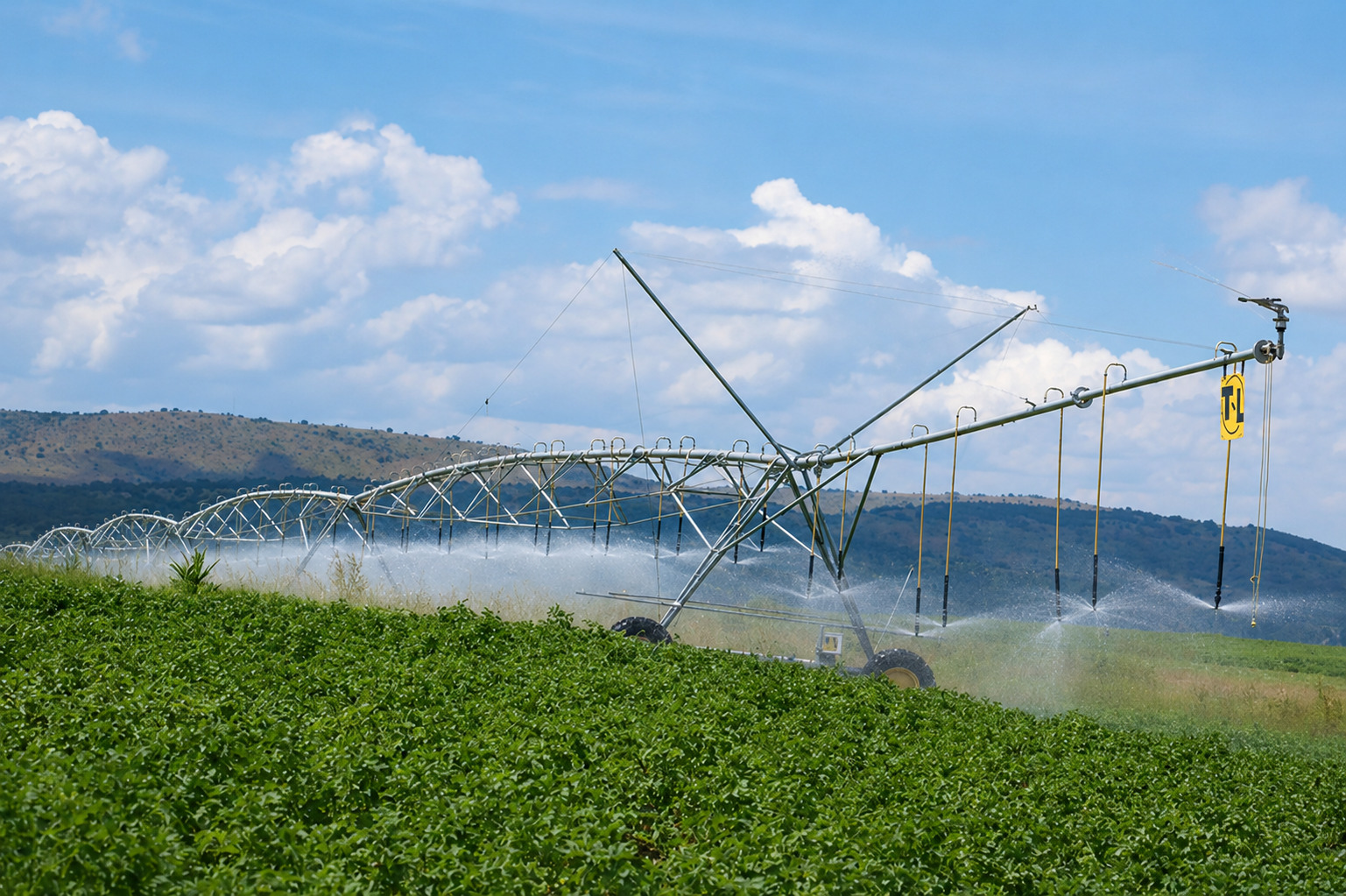
Limited access to irrigation is leaving Rwanda’s smallholder farmers increasingly vulnerable to unpredictable rainfall and prolonged dry spells raising concerns about agricultural productivity, farmers’ livelihoods and the country’s food supply.
According to the report of National Institute of Statistics of Rwanda (NISR), on Seasonal Agricultural Survey – Season B 2026 reveals that 11.5% of small-scale farmers using irrigation compared with 56.2% of large-scale farmers.
The low adoption of irrigation among smallholder farmers has left many depend on rainfall, making their production vulnerable to changing weather patterns and prolonged dry spells.
Esperance UWINEZA, a smallholder farmer in Nyagatare District who mainly grows beans, says her agricultural output remains low because she relies on rainfall, limiting her cultivation to the rainy season.
“We only farm when it rains. Farmers who use irrigation can harvest five tonnes per hectare, while we harvest only 800 kilogrammes per hectare,” she said.
Rwanda, like many other countries, continues to experience the effects of climate change, including unpredictable rainfall patterns and prolonged periods of drought.
For farmers who depend entirely on rain, these conditions can disrupt farming schedules, reduce yields and affect the availability of agricultural produce in markets.
NISR's findings show that access to irrigation remains significantly unequal between smallholders and large-scale.
Uwineza says some irrigation facilities may be available, but many smallholder farmers cannot afford the equipment or have sufficient knowledge to use the technology.
“Sometimes the facilities are available, but we cannot afford to use them. We also lack sufficient knowledge about irrigation programmes. What we are asking for, is government support through subsidies. Our agricultural output is very low compared to that of farmers who use irrigation,” she said.
However, farmers who have adopted irrigation say the technology has significantly improved their production and livelihoods.
Epiphanie Musabyimana, who grows green beans, tomatoes and other vegetables and fruits, says irrigation has enabled her to farm throughout the year without depending on rainfall.
She says the increased production has also helped her improve her family's living conditions and expand her agricultural business.
“Thanks to irrigation, I can now harvest 12 tonnes per hectare. The income I earn helps me pay my children's school fees, provide food for my family, expand my farmland and employ other people,” she said.
Economic analyst Nathan Gashayija, speaking to Rwanda Television (RTV), says limited irrigation infrastructure contributes to low agricultural production, potentially affecting food supplies in markets and driving prices upwards.
“When the supply of agricultural produce reaching the market is insufficient to meet consumer demand, prices inevitably increase,” he said.
Government Steps Up Irrigation Investments
The Government of Rwanda has identified irrigation as one of the key interventions for strengthening agricultural production and reducing the sector's dependence on rainfall.
While presenting government plans on agricultural development and climate change adaptation before Parliament, Prime Minister Dr Justin Nsengiyumva announced plans to expand the country's irrigated farmland.
He said Rwanda has already reached more than 76,000 hectares under irrigation, with plans to increase the area to more than 82,000 hectares, while targeting 132,000 hectares by 2029.
“To address rainfall shortages, Rwanda has so far reached more than 76,000 hectares under irrigation. This area is expected to increase to more than 82,000 hectares, while the country's target is to reach 132,000 hectares by 2029,” he said.
The Prime Minister also highlighted the Small-Scale Irrigation Technology (SSIT) programme as one of the initiatives expected to improve access to irrigation among smallholder farmers.
The programme aims to help farmers move away from traditional rain-fed agriculture towards modern farming practices that allow them to produce more consistently, including during dry seasons.
Rwanda's Irrigation Projects to Reduce Reliance on Rainfall
- Sustainable Agricultural Intensification and Food Security Project in Rwanda (SAIP)
- Small-Scale Irrigation Technology (SSIT)
- Commercialization and De-Risking for Agricultural Transformation (CDAT)
- Giseke Irrigation Project
- Muvumba Multipurpose Water Resources Development Program
- Gabiro Agribusiness Hub - GAHP
NISR's 2024 agricultural household survey further indicates that 65.3% of households in Rwanda are engaged in agriculture, underlining the sector's importance to livelihoods and the national economy.
Expanding access to irrigation, providing financial support and equipping farmers with modern agricultural knowledge remain important steps towards improving productivity, strengthening food supply and building resilience against climate change.
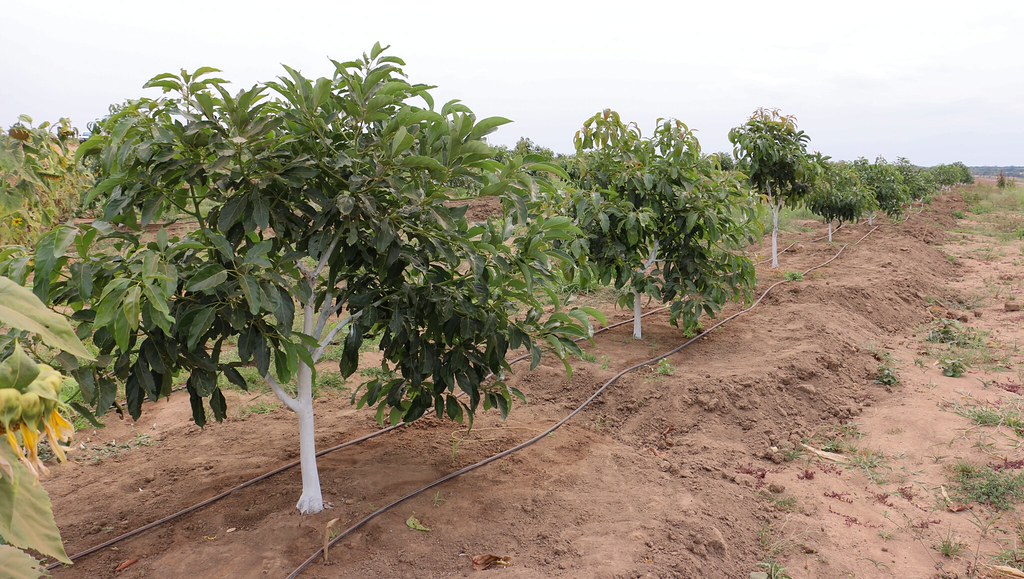
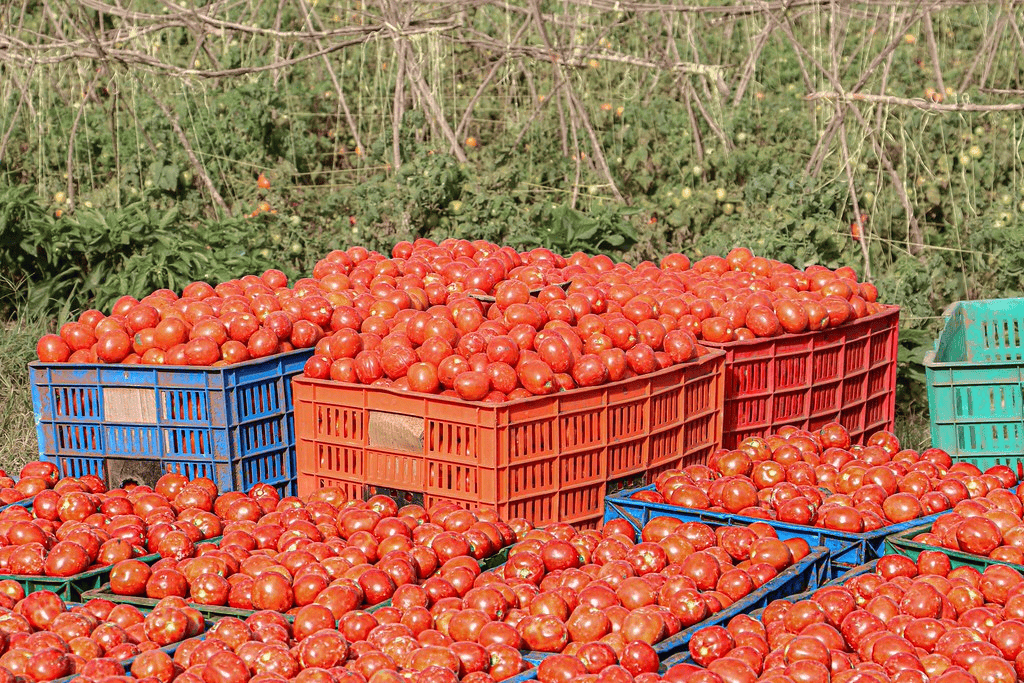
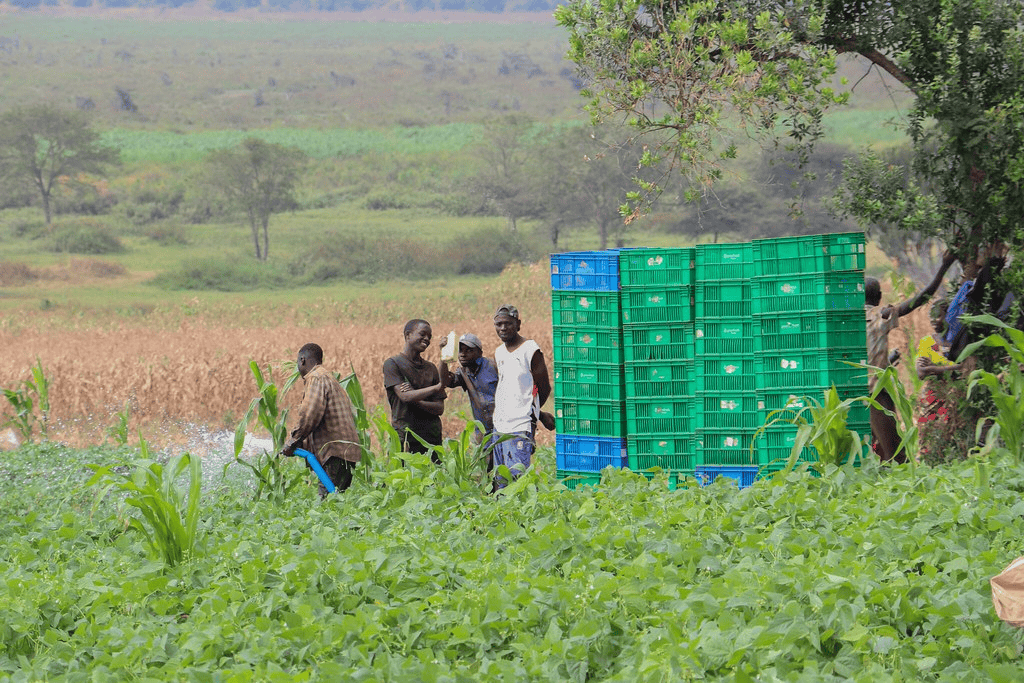
TWAGIRUMUKIZA Janvier/Radio Salus







Comments (0)
No comments yet. Be the first to comment!
Leave a Comment