


Why We Should Not Dispose of Medicines Carelessly and the Risks They Pose to Health and the Environment
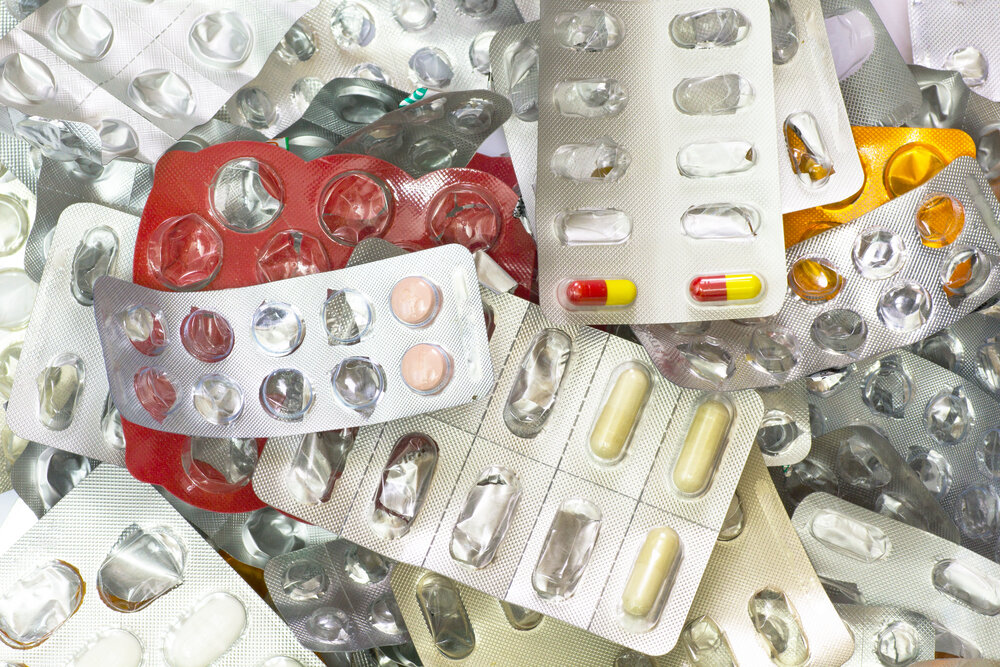
As Rwanda continues to strengthen efforts to protect the environment and public health, many people still do not know how to properly dispose of unused or expired medicines. Some flush them down toilets, others throw them away with household waste, while some keep them at home, hoping to use them again in the future.
Pharmaceutical experts warn that such practices can have serious consequences for both public health and the environment.
Innocent Niyomugabo, a resident of Gisagara District, says that whenever he has leftover medicines he no longer needs, he flushes them down the toilet because he is unaware of any other disposal method.
“Once you are no longer using the medicine, you either leave it where it can be swept away or flush it down the toilet,” he said.
He is not alone. Mujawamariya says she does not throw away leftover medicines. Instead, she stores them at home in case she falls ill again.
“I keep them in a cupboard or on a table. If I develop a fever again or catch a cold, I simply take the same medicine,” she said.
Our reporting also reached out to several students to understand how they dispose of unused medicines.
Naissa Umutoni said that whenever she has leftover medicines, she either throws them into non biodegradable waste or returns them to a health facility.
“You should place them in designated non biodegradable waste bins. They should never be mixed with biodegradable waste and must be kept away from children and animals. You can also return them to a hospital or health centre and explain that you no longer need them,” she said.
Eric Muhawenimana admitted that he has never paid much attention to the issue.
“I have never really thought about it. Whenever medicines are left over, I simply throw them in the trash because they are no longer useful,” he said.
Asked whether he knew that waste should be separated according to its type, he said he did not.
“I thought all waste was the same. I did not know there were different ways of disposing of it,” he said.
These responses highlight a continuing gap in public awareness about the proper disposal of unused medicines.
Pharmacist Maxime Henri Nduwawe, a lecturer at the University of Rwanda, says improper disposal of medicines can have severe effects on the environment and living organisms.
He explained that some medicines, including hormonal contraceptives, contain substances that can reach rivers and lakes, disrupting the reproductive systems of fish and other aquatic life. Other medicines may also release toxic substances once they enter the environment.
“The Rwanda Food and Drugs Authority (Rwanda FDA) has established procedures for collecting expired or damaged medicines from the public. Medicines should never be discarded carelessly. The safest option is to return them to the pharmacy or health facility where they were obtained, as approved methods such as high-temperature incineration, encapsulation, or other authorized disposal techniques are used to prevent environmental contamination,” he said.
Rwanda's health regulations require expired, damaged, or substandard medicines to be returned to health facilities or pharmacies, where they are stored in designated areas before undergoing approved disposal procedures.
According to the Guidelines for the Return, Handling and Disposal of Substandard Medicines, issued by the Rwanda Food and Drugs Authority (Rwanda FDA) and implemented in 2021, such medicines must first be collected and separated from usable stock to prevent them from re-entering the market or being reused by the public.
The medicines are then inspected by the competent authorities before being destroyed through high-temperature incineration, encapsulation, or other approved methods such as inertization, depending on the type of medicine and the risks it poses.
The guidelines further stress that medicines should never be disposed of in ordinary household waste or wastewater systems, as this can contaminate soil and water, posing risks to public health, livestock, and wildlife.
KWIZERA Fiston / Radio Salus










Comments (0)
No comments yet. Be the first to comment!
Leave a Comment