



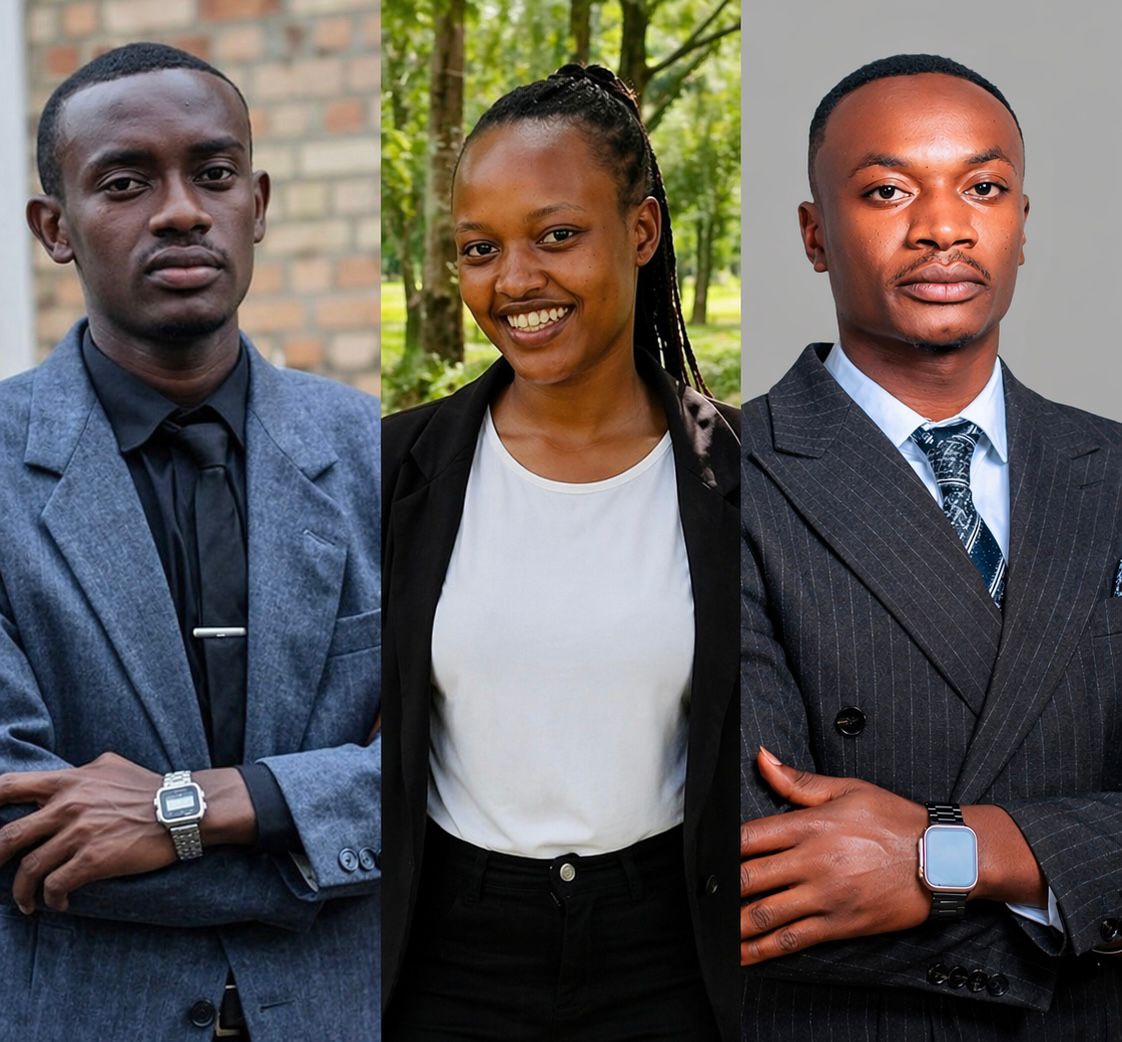
Students at the University of Rwanda say they understand their role, noting that preserving this history is not a choice, but a responsibility they carry as young Rwandans.
Oscar Mugisha, Economics year 2

As a young people, have crucial role in preserving this history because we are the one to pass it to the future generation, our responsibility is to learn this history properly, speak about it truthfully, promote values and dignity and take it seriously to avoid that the truth may be distorted or weakened as youth participate in commemoration activities there is still a gap of deeply understanding this history, build the culture of asking question and openly discuss to avoid misinterpretation.
Myriam Mugeni, Economics, year 3

Youth are not witnesses, they are its guardians and its future writers. The question is not only ‘what happened’, but also what will I do so that it will never happen again.
They are supposed to learn, reject hate speeches, become peace agents in their communities, and also remember that history does not maintain itself every generation must choose to carry it forward.
Emmanuel Bizimana, Creative and performing art, year 3

We are required to first have the commitment to read and understand the history, to educate one another, and stand close to survivors to promote a culture of integrity and love for our country and its people. As young people, we have to come together and recognize that we are the strength of the future, as we often say.
We should also properly put into practice what the government expects from us, and be valuable contributors in preserving history so that we can pass it on to future generations without being misrepresented.
Esther Niyokwizerwa, Business information and technology, year 2

Personally, I participate in commemoration activities, read about the history of the genocide, discuss it with others, and encourage my peers to learn about it and preserve it so that it is not forgotten it is my responsibility.
Although we are already doing some work, there is still a need to strengthen our efforts and make our participation more visible, especially through the use of social media in fighting against genocide ideology and divisionism. Moreover, it is important to keep teaching it in schools, properly preserve evidence and records, and use technology and media to share and safeguard it for everyone.
Olivier Manishimwe, Journalism and communication, year 1

What I personally do during the commemoration period is to join others in remembering. I take part in the Walk to Remember, an activity organized by a group called PLP (Peace and Love Proclaimers).
I also try to educate others by being a good example. When some people make mistakes, such as posting inappropriate content that does not match the period we are in, I guide them and show them that it is not right to share such things during this time.
Divine Igiraneza, Transport and logistics, year 2

For me, remembering the 1994 Genocide against the Tutsi is about honoring those who were lost and learning from our past so it never happens again. As young people, we have a responsibility to keep this history alive by sharing knowledge, challenging misinformation, and promoting unity.
I try to do my part by joining commemoration activities, visiting memorials, and using social media to spread awareness. I believe we need to keep strengthening education and use technology to ensure that future generations continue to understand and remember this history.
Mywhen Teta, Sociology, year 1

I believe learning the history is the first step, especially for young people, so we can stand against denial and genocide ideology. and keeping the dialogue with our parents about the truth on genocide against the Tutsi. The youth also has to be active in preserving the history through arts like songs, poem, films and
Eric Uwimana, Public administration, year 3

We must learn to distinguish truth from misinformation and reject anything that spreads hatred or division. We should also support survivors during commemoration periods, visit memorials, and honor the victims. Using technology and creative arts is another important way to preserve and share this history.
Grace Iyamuduhaye, Creative and performing art, year 2

Personally, I take part in commemoration activities, listen to testimonies from genocide survivors, read books and written materials about the genocide, and talk with others about the importance of remembrance. I also use social media to follow and share messages that promote remembrance and fight against genocide ideology.
I believe that for future generations to continue remembering this history, it should be taught in schools, preserved and shared through technology, and strengthened through ongoing commemoration activities that promote unity and reconciliation.
Delice Uwase / The Kaminuza Star
Commentaires 0
Laisser un commentaire
Aucun commentaire pour le moment.