


Rwandan Youth Urged to Become Pillars of National Development
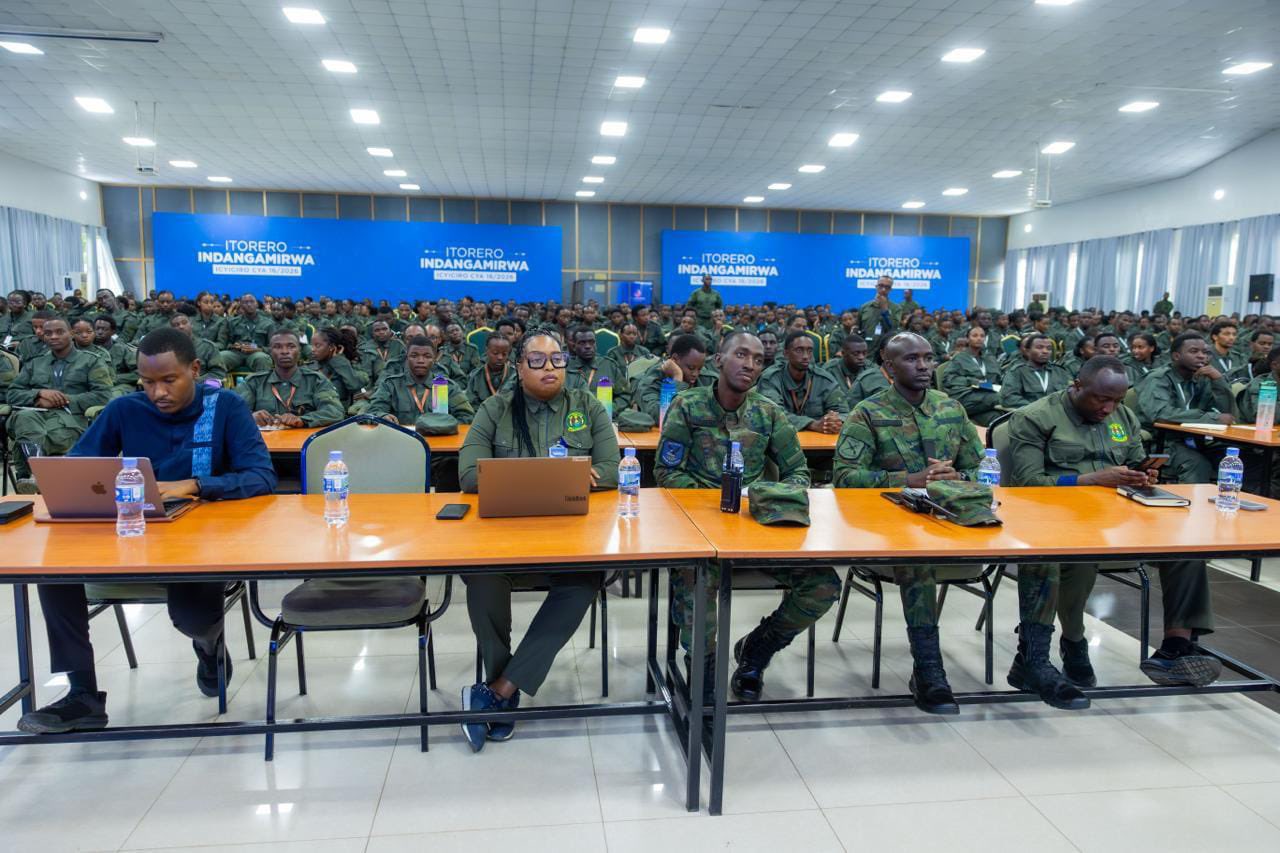
Rwandan youth participating in the 16th cohort of Itorero Indangamirwa have been urged to take an active role in the country's development and contribute to strengthening Rwanda's diplomacy and national progress.
The call was made by the Minister of Foreign Affairs and International Cooperation, Ambassador Olivier Jean Patrick Nduhungirehe, during a discussion with participants of the programme at the Gabiro Military Training Centre in Gatsibo District.
Nduhungirehe emphasized the important role of young Rwandans, both those living in the country and those in the diaspora, in promoting Rwanda's interests, strengthening its diplomacy, and contributing to national development.
His remarks came during a session focused on Rwanda's diplomacy and the role of Rwandan youth living in the country and abroad. He explained how Rwanda's diplomacy seeks to protect the country's interests, strengthen cooperation with other nations, and promote Rwanda's image internationally.
The minister encouraged participants to recognize that they have an important responsibility in shaping the country's future. He said young Rwandans can contribute to diplomacy by representing their country positively, sharing accurate information about Rwanda, and using their knowledge and skills to support national development.
He also highlighted the role of Rwandan youth living abroad, who can serve as important bridges between Rwanda and the countries where they live and study.
The 16th cohort of Itorero Indangamirwa began its training on July 1, 2026, at the Gabiro Military Training Centre and is scheduled to conclude on August 10, 2026. The six-week programme brings together 771 young Rwandans from different backgrounds. Participants include Rwandans living or studying abroad, students from international schools operating in Rwanda, outstanding graduates of the national service programme, and students from universities and other higher learning institutions.
The programme is designed to provide participants with civic, cultural, and leadership education while strengthening patriotism, discipline, cultural identity, and a sense of responsibility toward national development.
Throughout the training, participants engage in activities aimed at deepening their understanding of Rwanda's history, culture, values, and national development journey. They also participate in discussions and educational visits that connect them with important aspects of the country's past and present.
For example, on July 15, 2026, the participants visited the Mulindi Liberation Museum in Gicumbi District, where they learned more about Rwanda's liberation struggle and the country's history. Such activities are intended to help young Rwandans develop a deeper understanding of the history that has shaped the country and the values that continue to guide its development.
Itorero Indangamirwa was established in 2008 and is aimed primarily at young Rwandans aged between 18 and 25. The programme has brought together young people from Rwanda and the diaspora, international school graduates, youth leaders, and outstanding participants in national service programmes. Its objectives include promoting Rwandan cultural values, building resilience, strengthening knowledge of the country's history, and encouraging meaningful youth participation in national development.
The current cohort is therefore part of a longer-running national civic education initiative that seeks to prepare young Rwandans to become responsible citizens and active contributors to the country's future.
Nduhungirehe's message reinforced the importance of ensuring that the knowledge and values gained through the programme translate into practical contributions to society.
He encouraged the youth to use their skills and experiences to support Rwanda's development, whether they are living in the country or abroad.
The minister's message comes as Rwanda continues to emphasize youth participation in national development and international engagement. With a large proportion of the country's population made up of young people, their involvement is considered important in advancing the country's social, economic, and diplomatic priorities.
The 16th cohort of Itorero Indangamirwa is expected to complete its training on August 10, 2026, after six weeks of civic, cultural, and leadership education. The participants will then return to their respective communities and countries, carrying with them the knowledge and values gained during the programme.
Bella Sandrine GATUNGANE/Radio Salus






Ibitekerezo (0)
Nta bitekerezo bihari. Ba uwambere gutanga igitekerezo!
Tanga igitekerezo