


IMF clears path for Rwanda to receive $35.7m
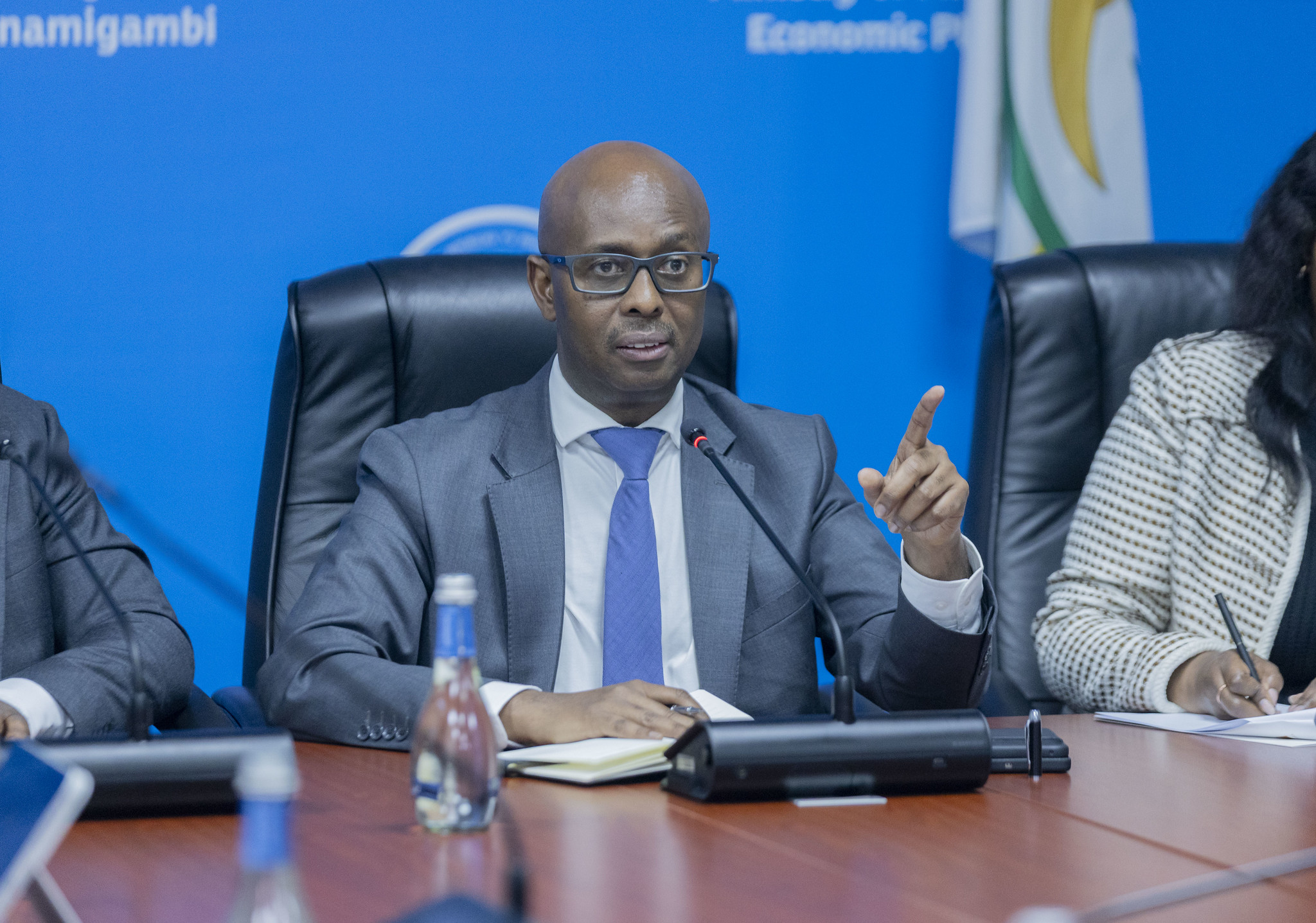
Rwanda is set to access about $35.7 million from the International Monetary Fund (IMF) after the country reached a staff-level agreement on the first review of its current financing programme.
The agreement, announced on October 6, follows Rwanda’s achievement of all measurable targets under the IMF’s Extended Credit Facility (ECF) programme for the end of June 2026.
The IMF Executive Board is expected to consider the review in December. If approved, the funds will become available to Rwanda.
The disbursement will be the first under Rwanda’s 38-month ECF arrangement, approved in June 2026, which provides total financing of about $250 million.
“The staff-level agreement reflects strong performance under the Extended Credit Facility programme and the authorities’ continued commitment to prudent policies that safeguard macroeconomic stability and debt sustainability while advancing their development agenda,” said Albert Touna Mama, IMF Mission Chief for Rwanda.
However, the IMF review comes as Rwanda continues to face pressure from high inflation.
The economy grew by 9.7 per cent in the first half of 2026, but inflation stood at 15.7 per cent in August, significantly above the National Bank of Rwanda’s medium-term target of 5 per cent.
Mama attributed the high inflation to existing price pressures and increases in international oil and fertiliser prices.
He said tighter monetary policy by the central bank would remain important in bringing inflation back towards its target.
Despite the pressures, Mama said Rwanda’s economy had remained resilient, with strong exports and remittance inflows helping to reduce the current account deficit.
The budget deficit also fell to 4.8 per cent of GDP in the 2025/26 financial year, supported by increased tax collections and better management of government spending.
“When we look at the performance in the first half of the year, despite those pressures, we can certainly say that we are well in line with those targets,” Mama said.
Finance Minister Yusuf Murangwa said the IMF programme is supporting reforms in public finance management, domestic revenue mobilisation and debt management.
He said the programme is reviewed twice a year to assess progress against agreed targets and reforms.
“When we agree with the IMF on a programme, in most cases it’s a three-year programme, which we review twice a year,” Murangwa said.
According to Murangwa, Rwanda is progressively implementing measures to increase domestic revenue through 2030.
He also said the government was maintaining its debt within agreed limits to avoid moving into a high-risk debt position.
“We borrow, but we are in a specific set of borrowing that we are not supposed to exceed, so that we are not in high risk,” he said.
The IMF financing is expected to support Rwanda’s broader efforts to maintain macroeconomic stability while continuing to fund development priorities.
By Prince Ruzigana






Comments (0)
No comments yet. Be the first to comment!
Leave a Comment